We know alcohol can make us dehydrated, but not everyone gets dehydrated at the same rate. Let’s go through some reasons why dehydration from alcohol may impact different people differently. In addition, alcohol negatively impacts neurotransmitter balance and mood regulation, which can lead to symptoms of unease and anxiety on the days after drinking alcohol. Alcohol can cause dehydration, disrupt sleep, interfere with energy production, and alter the body’s acid-base balance, all of which impact overall health and well-being. How long it takes to rehydrate after drinking depends on how much alcohol you have consumed and how much fluid volume and electrolytes your body has lost. While it can be tempting to consume alcohol on a hot summer day, the combination of high temperatures and alcohol can cause considerable fluid loss and dehydration.
Why Do Kidneys Need Fluids?

The more you indulge in your favorite alcoholic beverages, the more likely you are to lose water through exhalation. Diuretics are compounds that promote diuresis, the excessive passing of urine, which stimulates the kidneys to produce more urine than usual. This makes you lose precious water and electrolytes (essential minerals) much faster. alcoholism treatment Dehydration makes your body lose more fluid than it takes in, upsetting the delicate balance of water and electrolytes.
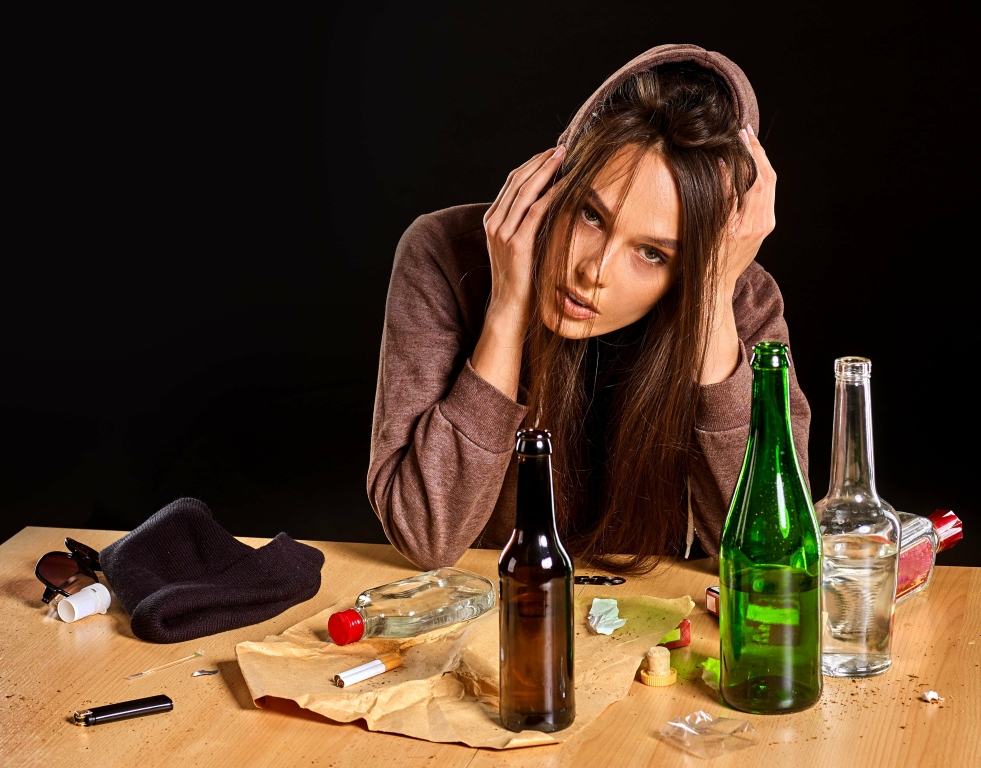
Balance Alcohol with Water
This may give your liver more time to metabolize it, but that can also be accomplished by simply drinking more slowly. The amount of alcohol you consume will influence the symptoms you experience. Drinking alcohol can dehydrate you, and it’s one of the main reasons you can get a hangover.
But when drinking becomes a regular habit, it can quietly impact your hair’s strength and growth.The good news is you can take steps to protect your hair. Stay hydrated, eat a balanced diet, and use the right hair care products for healthy hair. And if you’re looking for hair products that support your efforts, Spartan is a great place to explore.
Preventing Dehydration From Drinking
Therefore, drinking on an empty stomach can contribute to dehydration. Don’t assume that a single glass of wine will overly dehydrate you, but keep in mind that wine is generally dehydrating compared to other alcoholic beverages like beer. Generally, if you have already eaten a meal or if you are drinking a glass of wine with your meal, you won’t experience many of the effects of dehydration, if any. However, if you have an empty stomach, a single glass of wine will cause mild dehydration if you don’t follow it up with a glass of water within the hour. The alcohol and sugar in wine take your body a good amount of energy to break down compared to simpler foods or beverages.
- Alcohol can lead to dehydration, but why does alcohol dehydrate you?
- Once you understand the «why» behind each symptom, it’s way easier to connect the dots between that last drink and how awful you feel right now.
- Alcohol inhibits protein synthesis, the process by which your body builds and repairs muscle tissue.
- While drinking plenty of water is crucial to compensate for the fluid loss caused by alcohol, water alone won’t sufficiently hydrate you.
A good rule of thumb is that the higher the beverage’s alcohol content, the more dehydrating. While the body’s intestines rapidly absorb alcohol, it is metabolized much more slowly. Your body’s metabolic rate may be able to turn some amount of the alcohol into nutrients or energy, but it only occurs at a rate of about one glass of wine per hour. According to one study in the Journal of Alcohol and Alcoholism, one drink of alcohol can lead to a 2-4% increase in additional urine output. Any damage to the kidneys can impair these functions, leading to serious health complications. Chronic Kidney Disease (CKD), in particular, is a progressive condition where the kidneys gradually lose their ability to function properly.
- Many other beverages can be part of healthy eating patterns.
- Now, add in increased sweating from the hot sun, and it’s a recipe for dehydration disaster.
- If a person does not get enough hydration alongside their alcohol intake, the alcohol may cause dehydration.
Why is alcohol dehydrating?
With reduced ADH levels, the kidneys excrete more water, leading to increased urine production. As a result, the body loses fluids at a faster rate than they are consumed, causing dehydration. This process is why individuals often experience a frequent need to urinate after drinking alcohol, which contributes significantly to fluid loss. Alcohol consumption leads to dehydration primarily because it acts as a diuretic, increasing urine production and causing the body to lose more fluids than it takes in. When alcohol is metabolized by the liver, it interferes with the release of vasopressin, a hormone that helps regulate water retention in the kidneys. With reduced vasopressin levels, the kidneys excrete more water, leading to frequent urination and fluid loss.
Why alcohol can feel worse on Wegovy
- Consuming alcohol while dehydrated will just make dehydration worse.
- This may mitigate alcohol’s dehydrating effects somewhat, but the safest option is to avoid drinking altogether.
- Cardiovascular health is fundamental to both fitness and overall well-being.
- However, alcohol suppresses the release of ADH, leading to decreased water reabsorption and increased urine production.
- Let’s explore the science behind why alcohol can leave you feeling parched.
Don’t rely solely on thirst as an indicator of your hydration status, especially after consuming alcohol. The most effective approach is to replenish both fluids and electrolytes. Water is essential, but electrolyte-rich drinks like sports drinks or coconut water can be particularly helpful. Avoid sugary or caffeinated beverages, as does wine dehydrate you these can further dehydrate you. Food helps slow down the absorption of alcohol into your bloodstream, giving your body more time to process it.
Individuals with more muscle mass may be able to tolerate alcohol better than those with less muscle mass, as muscle can help to process alcohol. The impact of alcohol on fitness isn’t the same for everyone. Explore non-alcoholic options, such as mocktails or alcohol-free beers and wines. These can help you enjoy social situations without the negative impacts of http://80.225.216.85/charitysite/understanding-binge-drinking-national-institute-on/ alcohol.
Because they have less kidney reserve, they are more vulnerable to the negative effects of alcohol-induced dehydration and stress on the remaining kidney. The impact of drinking alcohol on the kidneys is highly dependent on the amount and frequency of consumption. Chug a big glass of water—maybe ounces—right before you go to bed.